LEDs in Edmonton: Not Just About Savings - It's About Control
LEDs in Edmonton: Not Just About Savings - It's About Control
Discover how LEDs in Edmonton improve energy savings & lighting control. Learn why facility managers choose EDL solutions.
Introduction: The Evolution of Commercial Lighting in Edmonton
For many Edmonton businesses, the conversation around lighting upgrades starts with cost. That makes sense. LED Edmonton retrofits are widely known for slashing energy bills by up to 75%. But there’s a deeper transformation happening across facilities in Northern Alberta, one that goes well beyond energy savings.
This shift is about control. Not just flipping a switch, but real-time, intelligent command over how, where, and when lighting is used. Thanks to automation systems, zone-specific settings, and daylight-responsive sensors, LEDs in Edmonton are powering a smarter, more efficient, and more comfortable environment.
If you manage or maintain a commercial facility, this article will help you understand how advanced lighting controls, paired with Alberta industrial controls Edmonton firms are now adopting, can redefine what your building is capable of.
Why LEDs Have Become the Backbone of Smart Lighting Systems
Energy savings are still the starting point. But once LEDs are in place, the real opportunity lies in integration.
Modern LED fixtures are fully compatible with commercial electrical automation systems, allowing for features like:
Motion-based activation (ideal for low-traffic areas or warehouses)
Daylight harvesting (adjusting brightness based on natural light)
Zone-based dimming (tailoring light levels by department or use)
Remote scheduling (control systems from a central dashboard or mobile app)
Traditional fluorescent or HID systems simply can’t handle this level of flexibility.
Example: Imagine a logistics facility in Edmonton replaced its outdated lighting with zone-controlled LEDs connected to a building automation system. The result could be a reduction in energy use, plus a productivity boost in shipping and receiving due to better task-specific lighting.
The Power of Zone Control: Precision Where It Matters
Most commercial spaces are not one-size-fits-all. Warehouses have different needs than offices. Meeting rooms need different lighting than production floors. Zone control allows facilities to fine-tune their lighting, cutting waste and enhancing the user experience.
Benefits of zone lighting in commercial electrical setups:
Better ambiance and productivity – Office zones can be dimmed for focus while public areas remain bright and welcoming.
Safety optimization – Pathways and stairwells remain illuminated, even when other areas are dimmed after hours.
Event readiness – Lighting presets can be stored and deployed based on scheduled activities or time-of-day use cases.
Facilities using Alberta industrial controls in Edmonton are increasingly adopting this model. It’s not just about efficiency; it’s about flexibility and future-readiness.
Myth: “LEDs Are Set-and-Forget Technology”
One of the most common misconceptions about LED retrofits is that they require no further thought once installed.
Here’s the truth: The initial savings are only part of the picture. When paired with advanced automation platforms, LED lighting becomes an adaptive tool for long-term operational gains.
Consider this: Imagine a school division north of Edmonton integrated LED Edmonton upgrades with occupancy sensors and daylight sensors in all classrooms. Over time, they not only reduced their energy spend, but they also saw fewer maintenance calls due to better heat management and reduced overuse of fixtures extending their lifespan.
Lesson: LEDs should evolve with your building, not just illuminate it.
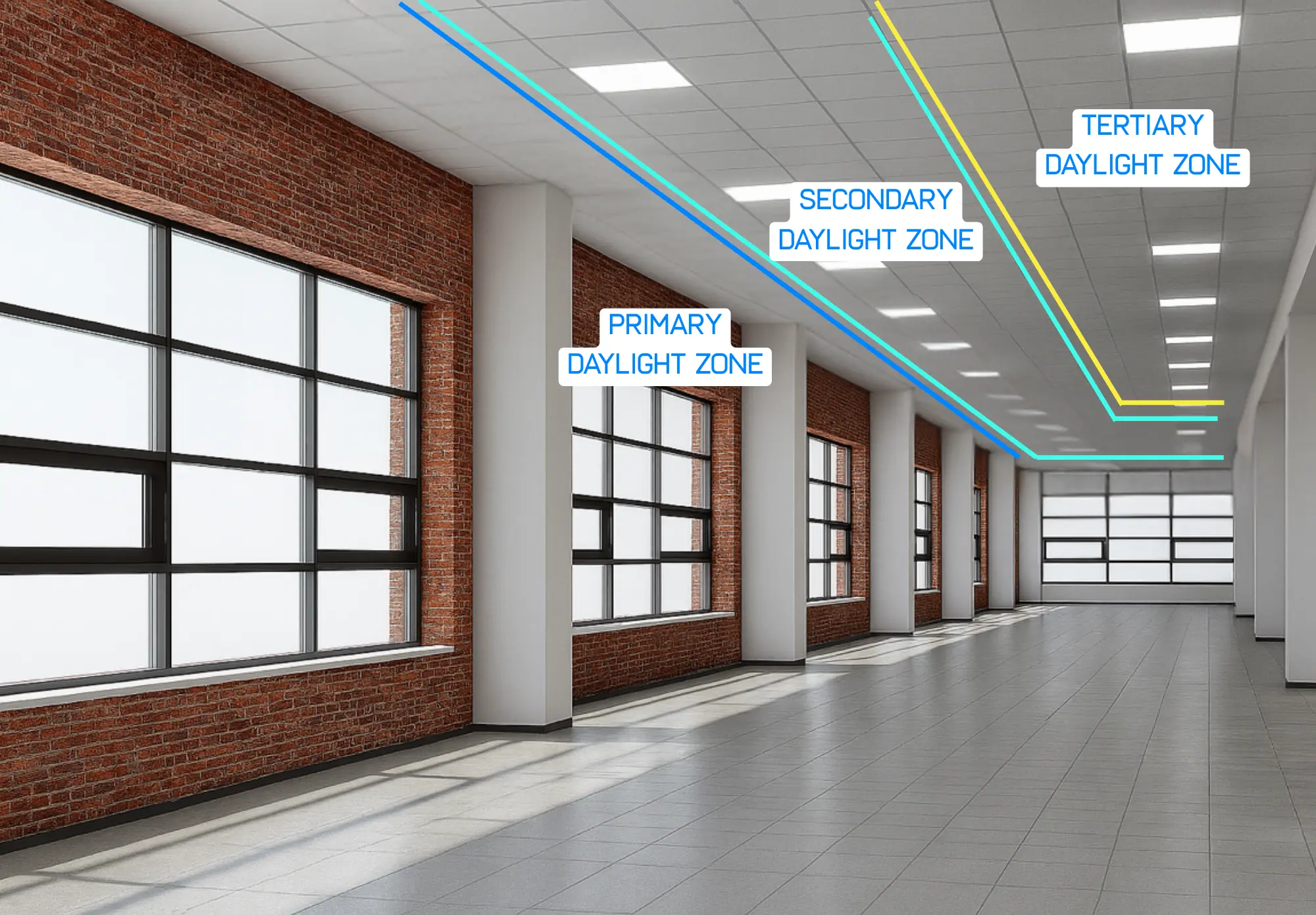
Daylight Sensors: A Smarter Way to Light
Why waste electricity when the sun is already doing the work?
Daylight sensors monitor ambient light and adjust interior LED levels accordingly. In a city like Edmonton, where natural light varies drastically between seasons, this is a huge opportunity to:
Cut unnecessary lighting usage during long summer days
Boost brightness in dim winter months without manual input
Ensure consistent lighting levels across the day for occupant comfort
How it works: Sensors detect real-time light levels. Automation systems adjust the output of your LEDs based on predefined thresholds, ensuring optimal visibility while minimizing overuse.
This type of smart lighting is especially popular in facilities implementing commercial electric Edmonton upgrades. It’s no longer enough to just light the room. The room should light itself - intelligently.
Don’t Underestimate the Role of Alberta Industrial Controls
Alberta industrial controls in Edmonton are not just for HVAC systems or heavy equipment. Increasingly, they’re being used to bring lighting into a unified building management platform.
This approach enables:
Centralized monitoring of lighting performance and energy consumption
Automated alerts for bulb or driver failures
Data-driven decisions for maintenance planning and energy budgeting
And because these systems are modular, they can scale with your facility’s growth or adjust as tenants and uses change.
Pro tip: Look for a commercial electrical contractor who specializes not just in wiring, but in system integration. That’s the key to unlocking real value.
LED Lighting Controls: Quick Answers for Edmonton Facility Managers
What are LED lighting controls?
LED lighting controls are technologies that automatically manage when lights turn on, off, dim, or adjust based on occupancy, schedules, or available daylight. These systems help commercial buildings reduce energy consumption while improving operational efficiency.
Can LED lighting integrate with a Building Automation System (BAS)?
Yes. Modern LED lighting systems can integrate with Building Automation Systems (BAS), allowing facility managers to monitor and control lighting alongside HVAC, security, and other building systems from a centralized platform.
What is daylight harvesting?
Daylight harvesting uses sensors to measure natural light levels and automatically dim or switch off electric lighting when sufficient daylight is available. This strategy reduces energy use while maintaining comfortable lighting conditions.
What are occupancy sensors?
Occupancy sensors detect when people enter or leave a space and automatically adjust lighting accordingly. They are commonly used in offices, warehouses, schools, restrooms, and storage areas to reduce unnecessary energy consumption.
How much energy can commercial buildings save with LED lighting controls?
Savings vary by facility type and usage patterns, but combining LED fixtures with occupancy sensors, scheduling controls, and daylight harvesting can significantly reduce lighting-related energy consumption compared to traditional lighting systems.
LED Lighting Controls vs Traditional Lighting Systems
Feature | Traditional Lighting | LED Lighting with Smart Controls |
|---|---|---|
Energy Efficiency | Moderate to Low | High |
Occupancy-Based Operation | Limited | Yes |
Daylight Harvesting | Rare | Yes |
Centralized Monitoring | Limited | Yes |
Maintenance Requirements | Higher | Lower |
System Visibility | Minimal | Real-Time Insights |
Integration with BAS | Limited | Seamless |
For organizations seeking greater visibility and control over facility operations, LED lighting systems offer advantages beyond energy savings by supporting automation, data collection, and smarter building management.
Industries That Benefit Most from Smart LED Lighting Controls
While nearly every commercial facility can benefit from LED upgrades, some sectors see particularly strong results:
Warehouses and Distribution Centers
Large spaces with varying occupancy levels benefit from motion-based lighting controls, reducing energy use in low-traffic areas.
Manufacturing Facilities
Lighting can be scheduled around production shifts, helping improve efficiency and reduce operating costs.
Educational Institutions
Schools and campuses can use daylight harvesting and occupancy sensors to automatically adjust lighting in classrooms, hallways, and common areas.
Office Buildings
Smart controls help improve employee comfort while reducing unnecessary energy consumption during evenings, weekends, and holidays.
Healthcare Facilities
Advanced lighting systems can support operational efficiency while maintaining appropriate lighting levels in critical spaces.
Expert Insight: Why Lighting Control Matters More Than Ever
Many organizations initially explore LED retrofits to lower utility costs. However, the long-term value often comes from the visibility and control these systems provide.
By integrating lighting with automation platforms, facility managers gain access to real-time operational data, scheduling capabilities, occupancy insights, and energy performance metrics. This allows buildings to become more responsive, efficient, and adaptable to changing operational needs.
As commercial facilities continue adopting smart building technologies, lighting is increasingly becoming a foundational component of broader energy management and automation strategies.
Key Takeaways
LED lighting is about more than energy savings—it enables greater operational control.
Occupancy sensors automatically adjust lighting based on building usage.
Daylight harvesting reduces energy consumption by leveraging natural light.
LED systems can integrate with Building Automation Systems (BAS).
Smart lighting provides valuable operational data and performance insights.
Commercial facilities can improve efficiency, sustainability, and occupant comfort through advanced lighting controls.
FAQs
1. How much can businesses really save with LED Edmonton upgrades?
While savings vary, most Edmonton businesses see energy reductions of 50-75%. When paired with automation systems, operational savings and lifespan gains often exceed initial projections.
2. Can LED lighting systems integrate with my existing building automation?
Yes. Most commercial-grade LEDs are now designed with integration in mind, especially when installed by commercial electrical contractors familiar with modern building controls.
3. Do daylight sensors and motion detectors really make a difference?
Absolutely. Studies show daylight harvesting can cut lighting energy by up to 35%, and motion detectors reduce waste in low-traffic areas significantly.
4.How long do commercial LED fixtures typically last?
Commercial LED fixtures often last significantly longer than traditional lighting technologies, reducing maintenance requirements and replacement costs.
5.Are LED lighting controls suitable for older buildings?
Yes. Many existing facilities can retrofit LED lighting and controls without requiring a complete building renovation.
6.What is the difference between occupancy sensors and motion sensors?
Motion sensors detect movement, while occupancy sensors may use multiple technologies to determine whether a space is occupied and should remain illuminated.
6.Can smart lighting help support sustainability goals?
Yes. Smart lighting systems can reduce energy consumption, lower carbon emissions, and contribute to broader sustainability initiatives.
It’s Time to Rethink What Lighting Should Do
LEDs in Edmonton have moved beyond a simple utility upgrade. They’ve become a gateway to control, customization, and operational intelligence. The businesses seeing the best results are the ones treating lighting as a strategic investment, not just a retrofit.
Whether you’re managing a school, commercial facility, or industrial site, smart lighting is no longer a luxury. It’s a competitive edge.
Ready to step into intelligent control?
Talk to a commercial electric Edmonton expert who understands the full spectrum of automation, daylight optimization, and zone-based strategies.
Introduction: The Evolution of Commercial Lighting in Edmonton
For many Edmonton businesses, the conversation around lighting upgrades starts with cost. That makes sense. LED Edmonton retrofits are widely known for slashing energy bills by up to 75%. But there’s a deeper transformation happening across facilities in Northern Alberta, one that goes well beyond energy savings.
This shift is about control. Not just flipping a switch, but real-time, intelligent command over how, where, and when lighting is used. Thanks to automation systems, zone-specific settings, and daylight-responsive sensors, LEDs in Edmonton are powering a smarter, more efficient, and more comfortable environment.
If you manage or maintain a commercial facility, this article will help you understand how advanced lighting controls, paired with Alberta industrial controls Edmonton firms are now adopting, can redefine what your building is capable of.
Why LEDs Have Become the Backbone of Smart Lighting Systems
Energy savings are still the starting point. But once LEDs are in place, the real opportunity lies in integration.
Modern LED fixtures are fully compatible with commercial electrical automation systems, allowing for features like:
Motion-based activation (ideal for low-traffic areas or warehouses)
Daylight harvesting (adjusting brightness based on natural light)
Zone-based dimming (tailoring light levels by department or use)
Remote scheduling (control systems from a central dashboard or mobile app)
Traditional fluorescent or HID systems simply can’t handle this level of flexibility.
Example: Imagine a logistics facility in Edmonton replaced its outdated lighting with zone-controlled LEDs connected to a building automation system. The result could be a reduction in energy use, plus a productivity boost in shipping and receiving due to better task-specific lighting.
The Power of Zone Control: Precision Where It Matters
Most commercial spaces are not one-size-fits-all. Warehouses have different needs than offices. Meeting rooms need different lighting than production floors. Zone control allows facilities to fine-tune their lighting, cutting waste and enhancing the user experience.
Benefits of zone lighting in commercial electrical setups:
Better ambiance and productivity – Office zones can be dimmed for focus while public areas remain bright and welcoming.
Safety optimization – Pathways and stairwells remain illuminated, even when other areas are dimmed after hours.
Event readiness – Lighting presets can be stored and deployed based on scheduled activities or time-of-day use cases.
Facilities using Alberta industrial controls in Edmonton are increasingly adopting this model. It’s not just about efficiency; it’s about flexibility and future-readiness.
Myth: “LEDs Are Set-and-Forget Technology”
One of the most common misconceptions about LED retrofits is that they require no further thought once installed.
Here’s the truth: The initial savings are only part of the picture. When paired with advanced automation platforms, LED lighting becomes an adaptive tool for long-term operational gains.
Consider this: Imagine a school division north of Edmonton integrated LED Edmonton upgrades with occupancy sensors and daylight sensors in all classrooms. Over time, they not only reduced their energy spend, but they also saw fewer maintenance calls due to better heat management and reduced overuse of fixtures extending their lifespan.
Lesson: LEDs should evolve with your building, not just illuminate it.
Daylight Sensors: A Smarter Way to Light
Why waste electricity when the sun is already doing the work?
Daylight sensors monitor ambient light and adjust interior LED levels accordingly. In a city like Edmonton, where natural light varies drastically between seasons, this is a huge opportunity to:
Cut unnecessary lighting usage during long summer days
Boost brightness in dim winter months without manual input
Ensure consistent lighting levels across the day for occupant comfort
How it works: Sensors detect real-time light levels. Automation systems adjust the output of your LEDs based on predefined thresholds, ensuring optimal visibility while minimizing overuse.
This type of smart lighting is especially popular in facilities implementing commercial electric Edmonton upgrades. It’s no longer enough to just light the room. The room should light itself - intelligently.
Don’t Underestimate the Role of Alberta Industrial Controls
Alberta industrial controls in Edmonton are not just for HVAC systems or heavy equipment. Increasingly, they’re being used to bring lighting into a unified building management platform.
This approach enables:
Centralized monitoring of lighting performance and energy consumption
Automated alerts for bulb or driver failures
Data-driven decisions for maintenance planning and energy budgeting
And because these systems are modular, they can scale with your facility’s growth or adjust as tenants and uses change.
Pro tip: Look for a commercial electrical contractor who specializes not just in wiring, but in system integration. That’s the key to unlocking real value.
LED Lighting Controls: Quick Answers for Edmonton Facility Managers
What are LED lighting controls?
LED lighting controls are technologies that automatically manage when lights turn on, off, dim, or adjust based on occupancy, schedules, or available daylight. These systems help commercial buildings reduce energy consumption while improving operational efficiency.
Can LED lighting integrate with a Building Automation System (BAS)?
Yes. Modern LED lighting systems can integrate with Building Automation Systems (BAS), allowing facility managers to monitor and control lighting alongside HVAC, security, and other building systems from a centralized platform.
What is daylight harvesting?
Daylight harvesting uses sensors to measure natural light levels and automatically dim or switch off electric lighting when sufficient daylight is available. This strategy reduces energy use while maintaining comfortable lighting conditions.
What are occupancy sensors?
Occupancy sensors detect when people enter or leave a space and automatically adjust lighting accordingly. They are commonly used in offices, warehouses, schools, restrooms, and storage areas to reduce unnecessary energy consumption.
How much energy can commercial buildings save with LED lighting controls?
Savings vary by facility type and usage patterns, but combining LED fixtures with occupancy sensors, scheduling controls, and daylight harvesting can significantly reduce lighting-related energy consumption compared to traditional lighting systems.
LED Lighting Controls vs Traditional Lighting Systems
Feature | Traditional Lighting | LED Lighting with Smart Controls |
|---|---|---|
Energy Efficiency | Moderate to Low | High |
Occupancy-Based Operation | Limited | Yes |
Daylight Harvesting | Rare | Yes |
Centralized Monitoring | Limited | Yes |
Maintenance Requirements | Higher | Lower |
System Visibility | Minimal | Real-Time Insights |
Integration with BAS | Limited | Seamless |
For organizations seeking greater visibility and control over facility operations, LED lighting systems offer advantages beyond energy savings by supporting automation, data collection, and smarter building management.
Industries That Benefit Most from Smart LED Lighting Controls
While nearly every commercial facility can benefit from LED upgrades, some sectors see particularly strong results:
Warehouses and Distribution Centers
Large spaces with varying occupancy levels benefit from motion-based lighting controls, reducing energy use in low-traffic areas.
Manufacturing Facilities
Lighting can be scheduled around production shifts, helping improve efficiency and reduce operating costs.
Educational Institutions
Schools and campuses can use daylight harvesting and occupancy sensors to automatically adjust lighting in classrooms, hallways, and common areas.
Office Buildings
Smart controls help improve employee comfort while reducing unnecessary energy consumption during evenings, weekends, and holidays.
Healthcare Facilities
Advanced lighting systems can support operational efficiency while maintaining appropriate lighting levels in critical spaces.
Expert Insight: Why Lighting Control Matters More Than Ever
Many organizations initially explore LED retrofits to lower utility costs. However, the long-term value often comes from the visibility and control these systems provide.
By integrating lighting with automation platforms, facility managers gain access to real-time operational data, scheduling capabilities, occupancy insights, and energy performance metrics. This allows buildings to become more responsive, efficient, and adaptable to changing operational needs.
As commercial facilities continue adopting smart building technologies, lighting is increasingly becoming a foundational component of broader energy management and automation strategies.
Key Takeaways
LED lighting is about more than energy savings—it enables greater operational control.
Occupancy sensors automatically adjust lighting based on building usage.
Daylight harvesting reduces energy consumption by leveraging natural light.
LED systems can integrate with Building Automation Systems (BAS).
Smart lighting provides valuable operational data and performance insights.
Commercial facilities can improve efficiency, sustainability, and occupant comfort through advanced lighting controls.
FAQs
1. How much can businesses really save with LED Edmonton upgrades?
While savings vary, most Edmonton businesses see energy reductions of 50-75%. When paired with automation systems, operational savings and lifespan gains often exceed initial projections.
2. Can LED lighting systems integrate with my existing building automation?
Yes. Most commercial-grade LEDs are now designed with integration in mind, especially when installed by commercial electrical contractors familiar with modern building controls.
3. Do daylight sensors and motion detectors really make a difference?
Absolutely. Studies show daylight harvesting can cut lighting energy by up to 35%, and motion detectors reduce waste in low-traffic areas significantly.
4.How long do commercial LED fixtures typically last?
Commercial LED fixtures often last significantly longer than traditional lighting technologies, reducing maintenance requirements and replacement costs.
5.Are LED lighting controls suitable for older buildings?
Yes. Many existing facilities can retrofit LED lighting and controls without requiring a complete building renovation.
6.What is the difference between occupancy sensors and motion sensors?
Motion sensors detect movement, while occupancy sensors may use multiple technologies to determine whether a space is occupied and should remain illuminated.
6.Can smart lighting help support sustainability goals?
Yes. Smart lighting systems can reduce energy consumption, lower carbon emissions, and contribute to broader sustainability initiatives.
It’s Time to Rethink What Lighting Should Do
LEDs in Edmonton have moved beyond a simple utility upgrade. They’ve become a gateway to control, customization, and operational intelligence. The businesses seeing the best results are the ones treating lighting as a strategic investment, not just a retrofit.
Whether you’re managing a school, commercial facility, or industrial site, smart lighting is no longer a luxury. It’s a competitive edge.
Ready to step into intelligent control?
Talk to a commercial electric Edmonton expert who understands the full spectrum of automation, daylight optimization, and zone-based strategies.
EDL Building Solutions
Electrical